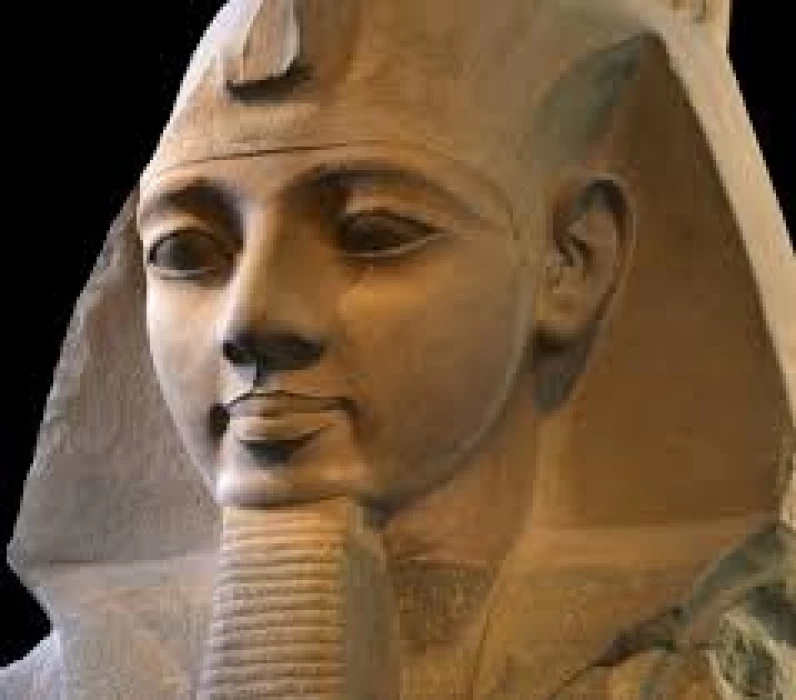
King Ramses II | Ramesses II | Ramses the Second
King Ramses II
Ramses II is the man of a multifaceted personality and is known as the greatest pharaoh ever in Egyptian history. He is highly civilized and virtuous, along with being a prominent nose, round-cheeked, and high-cheeked with accolades in over 3000-year-old figures and drawings.
Ramses the Second, or the Great, is the Pharaoh who is considered by millions, in fact, for years, as the biblical Pharaoh who chased the Israelites during the Exodus.
Ramses II—the Egyptian pharaoh of the nineteenth dynasty—reigned from around 1279 B.C. to 1213 B.C. Son of Seti I, during the first years of his reign, tried to reconquer the territories in Africa and Asia Minor, battling the Hittites, against whom he conducted a long war. The most important battle was fought in 1296 B.C. near Qadesh, in northern Syria; since neither army obtained a definitive victory, a treaty was signed that allowed the division of the disputed territories and the conclusion of a marriage between Ramses and the daughter of the Hittite king.
Ramses the Second was the third pharaoh of the 19th dynasty of Egypt. He is often regarded as the most celebrated and most powerful pharaoh in the New Kingdom. His successors and Egyptians later called him the "Great King.".
He is assumed to have ascended the throne in his late youth. Manetho (a great historian who classified the history of Egypt into 3 stages, the Old Kingdom, the Middle Kingdom, and the New Kingdom, interrupted by three periods, the 1st intermediate period, the 2nd intermediate period, and the 3rd intermediate period, throughout the 30 dynasties) connects Ramses II to a period of 66 years of ruling Egypt in prosperity.
Thanks to the exceptional duration of his reign, today Egyptologists used to call him by his name for the entire period of his dynasty (the Ramesside Period).
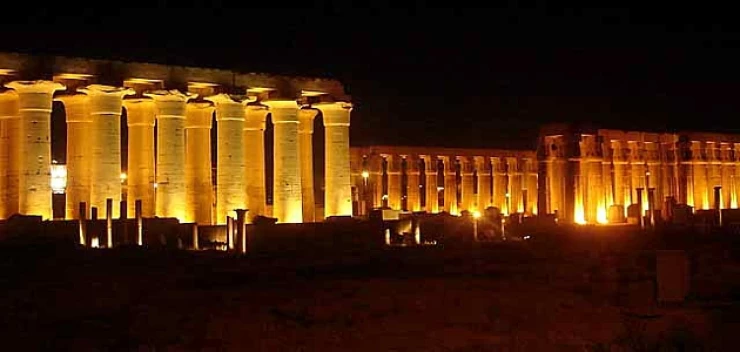
He had many monuments built all over the country (the Luxor Temple, the Karnak Temple, the Ramesseum) and carved his name on numerous works of his ancestors (as he did with Hatshepsut), taking illegal property; this amount of artifacts and architectural elements has meant that there is evidence of him in any museum in the world that receives a collection associated with Ancient Egypt.
Great lover, he had an infinite number of sons and daughters who did not hesitate to marry with diplomatic marriages, always to ensure a relationship to his reign, and he had many great royal brides; the most beloved was the famous Queen Nefertari, perhaps the most loved and admired, and Isinofret, from whom she had numerous children, and her hair to the throne (the thirteenth son Merenptah, who was the only survivor among his brothers).
Explore the various architectural achievements of Great Ramses II through a range of Luxor day tours and Egypt Nile River Cruise Tours published on the Cairo Top Tours website that take you to visit Luxor's temples and the fascinating tombs in the Valley of Kings during a range of exciting Egypt tours and Egypt travel packages, as well as many privately guided groups of Egypt day tours.
If your Egypt tour package includes a few days to be spent here in Cairo, you can have one of the full Cairo day tours that fly to Luxor daily, or if you have a long layover in Cairo on your way to another country, it will be a great chance to book a trip to enjoy a lot of excursions and things to do in Cairo. Take advantage of this offer and discover the wonders of the blessed land of Egypt, from historical times to the present day.
After his father's death, the Great Rameses the Second became the ruler of Egypt. It's unclear how old he was at the time, but he could have been younger than 21. Rather than undoing the alliances his father had made, Ramses II focused on consolidating his power. This included undoing some of his father's less significant deeds, like the construction of the temple of Abydos.
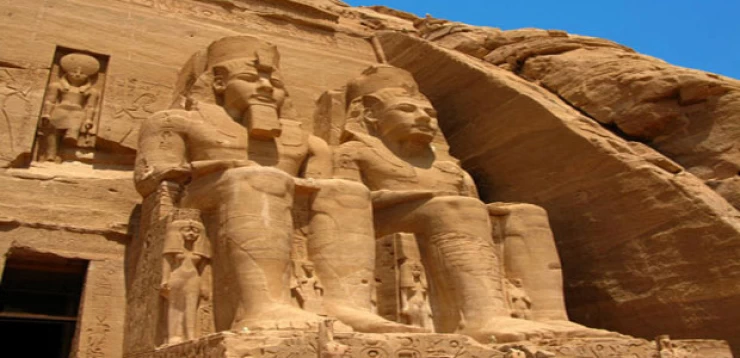
Ramses II's architectural works, particularly the Ramesseum and the temples of Abu Simbel, are perhaps his best-known achievements. Ramses II built more monuments than any other pharaoh in ancient Egypt because he was interested in architecture.
An Extended and Worthy Reign
Ramses II ruled Egypt for an unusual duration, that too towards the latter part of his youth, for a period of 66 years on the throne. Manetho, the historian, divided Egypt's history into three main stages—the Old Kingdom, the Middle Kingdom, and the New Kingdom—separated by transition phases. The long reign of Ramses II, therefore, allowed Egyptologists to refer to the entire duration of the dynasty as the Ramesside Period.
Architectural Sights of Ramses II
He appended a lot of his works to those of his predecessors, among them Queen Hatshepsut. In fact, today, his name could be found scattered over various artifacts bearing the texts all over museums around the world.
Ramses II is the man of a multifaceted personality and is known as the greatest pharaoh ever in Egyptian history. He is highly civilized and virtuous, along with being a prominent nose, round-cheeked, and high-cheeked with accolades in over 3000-year-old figures and drawings.
Ramses the Second, or the Great, is the Pharaoh who is considered by millions, in fact, for years, as the biblical Pharaoh who chased the Israelites during the Exodus.
Ramses II—the Egyptian pharaoh of the nineteenth dynasty—reigned from around 1279 B.C. to 1213 B.C. Son of Seti I, during the first years of his reign, tried to reconquer the territories in Africa and Asia Minor, battling the Hittites, against whom he conducted a long war. The most important battle was fought in 1296 B.C. near Qadesh, in northern Syria; since neither army obtained a definitive victory, a treaty was signed that allowed the division of the disputed territories and the conclusion of a marriage between Ramses and the daughter of the Hittite king.
Ramses the Second was the third pharaoh of the 19th dynasty of Egypt. He is often regarded as the most celebrated and most powerful pharaoh in the New Kingdom. His successors and Egyptians later called him the "Great King.".
He is assumed to have ascended the throne in his late youth. Manetho (a great historian who classified the history of Egypt into 3 stages, the Old Kingdom, the Middle Kingdom, and the New Kingdom, interrupted by three periods, the 1st intermediate period, the 2nd intermediate period, and the 3rd intermediate period, throughout the 30 dynasties) connects Ramses II to a period of 66 years of ruling Egypt in prosperity.